
|
Getting your Trinity Audio player ready...
|
Reading Time 4 mins
Say My Name!
Reclaiming Our Names, Reclaiming Our Minds
“As long as you speak my name I shall live forever.” – African proverb
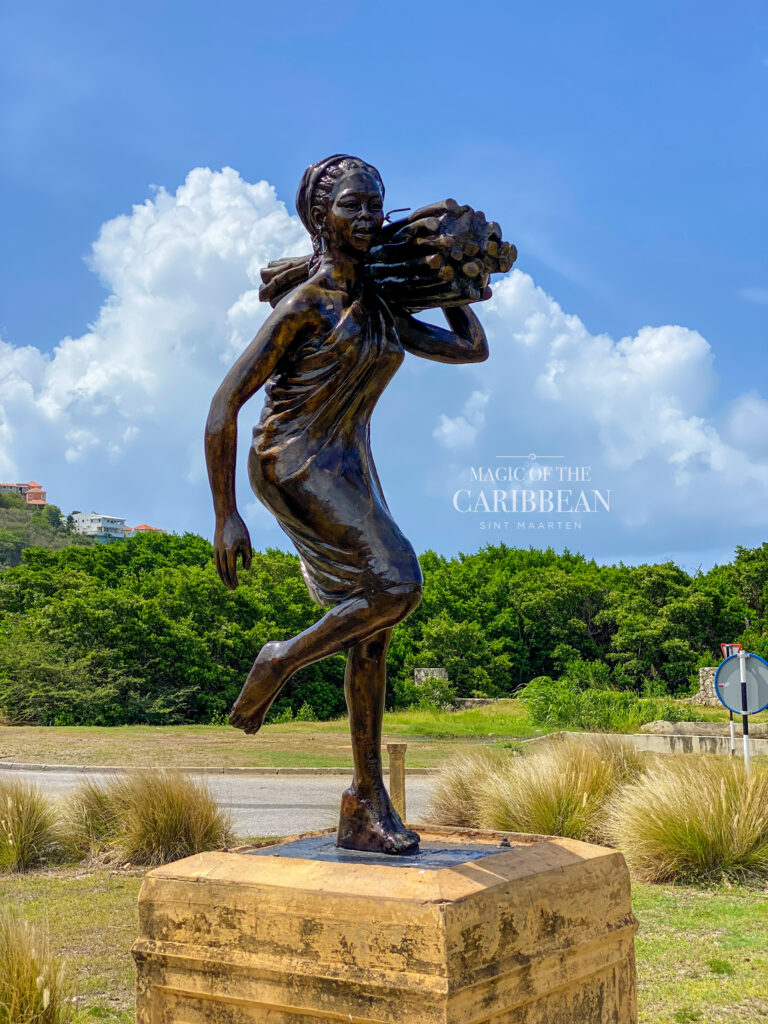
One-Tete Lohkay, known as the female freedom fighter, is honored for being an anti-slavery resistance in Sint Maarten
Like the steelpan, born from resistance and creativity amid oppression, the Caribbean itself is a living symbol of unity forged through struggle. Out of discarded oil drums – relics of colonial industry – our ancestors created music that now resonates across the world, declaring that beauty and power can rise from the discarded steel of colonial shackles. This is the spirit of transformation that must now guide how we transform our sovereign post independence space. How we should treat the colonial names and monuments that still dominate our public spaces and landscapes.
In the current controversy in the UK surrounding Prince Andrew (now Andrew Mountbatten Windsor) and his links to Jeffrey Epstein, communities across the UK are demanding his name be removed from public spaces. This made me reflect on our own situation in the Caribbean, where centuries after European enslavement and genocide, our national landscapes remain cartographies of colonial power. From capitals to public squares, the names of monarchs, colonial administrators, and enslavers – King George, Codrington, Grenville – still mark our streets and adorn our public buildings. For many, these names are daily reminders of violence and subjugation. The growing call to rename them is not an attempt to erase history but to reclaim identity and affirm the values of freedom, justice, and dignity.
Psychological research helps us understand why this daily encounter with colonial symbols is more than a historical nuisance. Studies in psychogeography and intergenerational trauma reveal that constant exposure to the names and monuments of oppressors can inflict what Dr. Joy DeGruy terms “insidious trauma” – a persistent, subtle, and chronic psychological harm that stems from environments which invalidate a people’s history and worth. When the only heroes celebrated are those who enslaved our ancestors, we are left inhabiting a psychological landscape of subjugation.
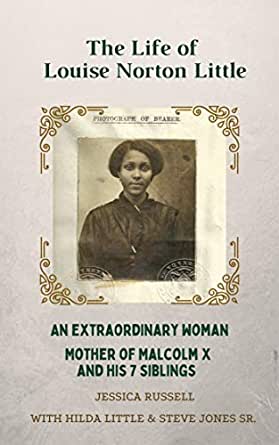
Louise Little, pan-Africanist, Grenada-born mother of Malcolm X
The United Nations’ Second International Decade for People of African Descent (2025–2034) – under the theme “Recognition, Justice, and Development” – offers an urgent and fitting context for this reckoning. In this moment, Caribbean nations must deepen the conversation about recognizing indigenous and African-descended heroes and seeking justice for crimes committed against our ancestors. Development, in this sense, also means reclaiming sovereign spaces – mentally, culturally, and physically. The CARICOM Reparations Commission has called on governments to remove all statues and memorials dedicated to colonizers and enslavers, including figures like Christopher Columbus, whose legacies represent genocide and other crimes against humanity.
With regards to justice, we can take our cue from a 2020 British courts ruling that the public display of monuments to enslavers could constitute “hate crimes” and that “reasonable force” may be used to remove them. In our Caribbean context, reasonable force should mean deliberate, democratic action – government policy shaped by the will of the people.
If the persistence of these colonial symbols can trigger Post-Traumatic Stress, then their removal and replacement may foster Post-Traumatic Growth (PTG), a result of the collective healing that comes when pain and the absence of historical triggers are transformed into empowerment. Renaming streets and honoring our own heroes can reshape our collective identity, improve psychological well-being, validate cultural worth, and nurture pride and self-determination. Social Scientists, such as Dr Clifton Hutton, describe this process as “historical empowerment” – a reclaiming of the mind as much as of the map.
Continuing to display colonial names and images perpetuates colonial violence, with measurable effects on mental health. Repeated exposure to reminders of historical trauma contributes to anxiety, depression, and what DeGruy terms Post-Traumatic Slave Syndrome. Every time we walk down streets named after enslavers, we are asked to unconsciously revere the very figures who sought to destroy our culture and humanity. This is even more important as we decolonize our curriculum and as we popularize education, unpack the erstwhile history of our enslavement.
Renaming, therefore, is not mere symbolism – it is psychological liberation. When we replace these names with those of Toussaint Louverture, Nanny of the Maroons, Marcus Garvey, Bob Marley, or Audre Lorde, we change the rhythm of our daily lives. We walk in the footsteps of those who loved freedom more than life itself. As we re-tune the soundscape of our societies we turn dissonance into the harmony of big drum rhythms.
The call to rename colonial streets and monuments is not an act of erasure, but one of reclamation – reclaiming dignity, identity, and truth. Renaming is about aligning our public spaces with our national pride, transforming them from symbols of oppression into testaments of resilience.
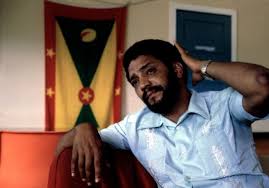
Revolutionary Grenada Prime Minister Maurice Bishop (1944-1983)
Think of the figures who shaped our region: freedom fighters like Nanny of the Maroons, Henry Christophe, Dame Hilda Bynoe, Louise Langdon Little, and Maurice Bishop; Pan-African visionaries like Marcus Garvey, T.A. Marrishow; and cultural giants like Bob Marley, Leslie ‘Hutch’ Hutchinson, and Mighty Sparrow. Yet how many of our streets, parks, and schools bear their names compared to those of distant colonial figures?
Correcting this imbalance is not about rewriting the past. It is about reclaiming the present. It is about teaching future generations pride in their heritage and inspiring them through stories of courage, intellect, and unity. Just as the steelpan transformed waste into harmony, so too can we transform the remnants of colonialism into symbols of Caribbean strength, memory, and hope.